The early years of a child’s life play a major role in shaping future learning, behaviour and wellbeing. During this stage, children develop important cognitive, emotional, social and physical skills that form the foundation for later success. Enrolling a child in a local early learning centre can provide valuable support during these formative years.
Early learning centres offer more than childcare. They create structured, nurturing environments where children can learn, play and grow under the guidance of trained educators.
These settings are designed to support developmental milestones while helping children gain confidence and independence in a safe and engaging space.
What Are the Benefits of Enrolling Children in Early Learning Centres?
Academic & Cognitive Development
Early learning centres introduce children to foundational literacy and numeracy concepts through guided play, storytelling and problem-solving activities. These experiences help build memory, concentration and early academic confidence while preparing children for the transition into school.
Children are also encouraged to explore, ask questions and engage in creative thinking. This promotes curiosity and supports the development of problem-solving and decision-making skills that remain valuable throughout life. Exposure to structured routines and age-appropriate educational tasks can also improve focus, listening skills and the ability to follow instructions. Early exposure to collaborative learning experiences can further help children become more adaptable and receptive in classroom settings later on.
Social Development & Interaction
Regular interaction with peers helps children develop communication skills, empathy and confidence in group settings. Through collaborative play and shared activities, children learn how to build friendships, follow routines and navigate social situations appropriately.
These social experiences also teach patience, cooperation and emotional regulation, helping children understand how to express themselves and respond to others in positive ways. Over time, children become more comfortable participating in group discussions and adapting to new social environments. These experiences can also strengthen self-esteem as children learn to interact independently.
Physical Growth & Motor Skills
Activities such as drawing, climbing, running and outdoor play support the development of both fine and gross motor skills. These physical experiences also encourage healthy habits and overall wellbeing from an early age.
Hands-on activities such as crafts, puzzles and sensory play further strengthen coordination and dexterity while promoting active participation in learning. Regular physical movement can also support balance, spatial awareness and body control. Many centres also incorporate outdoor exploration to help children engage with their environment in meaningful ways.
How Do Early Learning Centres Support Working Parents?
Flexible Scheduling Options
Many early learning centres offer flexible attendance arrangements and extended operating hours, making it easier for working parents to balance professional responsibilities with family needs.
This convenience helps families maintain consistent routines while reducing the stress often associated with managing work and childcare commitments.
Quality Childcare & Safety
Reputable centres provide structured supervision, secure facilities and professional care, giving parents peace of mind that their child is safe and well looked after throughout the day.
Educators also monitor developmental progress and wellbeing, allowing parents to feel confident their child is receiving attentive, professional care.
Parent Engagement Programs
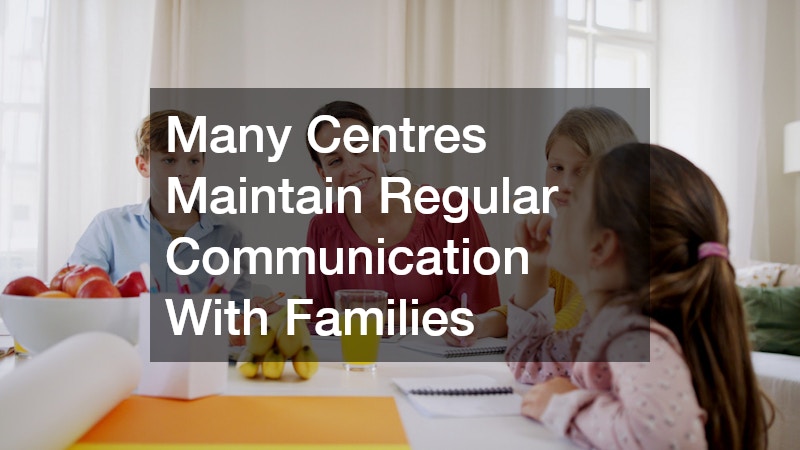
Many centres maintain regular communication with families through progress updates, meetings and parent engagement initiatives. This helps parents stay informed and involved in their child’s development.
What Differentiates a High-Quality Early Learning Centre?
Qualified & Trained Educators
Experienced educators with early childhood qualifications can tailor learning experiences to suit developmental needs while creating a supportive and engaging environment for every child.
Comprehensive Curriculum
A strong curriculum includes literacy, numeracy, creative play, physical activity and social-emotional learning, helping children develop a broad range of essential skills.
Supportive & Inclusive Environment
High-quality centres create welcoming spaces where all children feel valued, respected and supported regardless of their background or individual learning needs.
These inclusive environments foster confidence and belonging, helping children feel comfortable participating in activities and building relationships with others.
Many early learning centres also help children build emotional resilience by teaching them how to manage change, cope with challenges and express feelings appropriately. Through guided support from educators, children begin developing independence and confidence in their own abilities. These emotional foundations can contribute significantly to long-term success in both academic and personal settings.
Local early learning centres play an important role in early childhood development by providing educational, social and physical growth opportunities in a safe and structured environment. By supporting both children and families, these centres help lay the groundwork for lifelong learning and success.